Formats that fit
- Meetups and talks: shared trays or finger food delivered before doors open.
- Workshops and training days: meeting boxes for lunch and a tea break in the afternoon.
- Hackathons: several deliveries across the day, with food that works cold or reheated.
- Demo days and investor evenings: a set-up reception table that looks finished when guests arrive.
- Team offsites in a coworking space: a buffet with setup and collection after.
Planning with an uncertain headcount
Free events often have more sign-ups than guests. A common approach is to plan food for the people you expect to arrive, not every RSVP, based on past events of the same kind, and to confirm the final number with us the day before. Shared trays are more forgiving than individual boxes when numbers change.
Ask for dietary needs in your event sign-up, with a clear vegetarian option, and send us the counts with the final number.
Coworking space logistics
Coworking spaces usually have shared kitchens, set event hours, a community manager who must approve deliveries and rules about waste. Tell us who receives the food, the floor and access, where we can set up, and what has to happen to waste and recycling after. Disposable serveware is the default for drop-off; reusable serveware is collected after the event.
Food that works while people talk and type
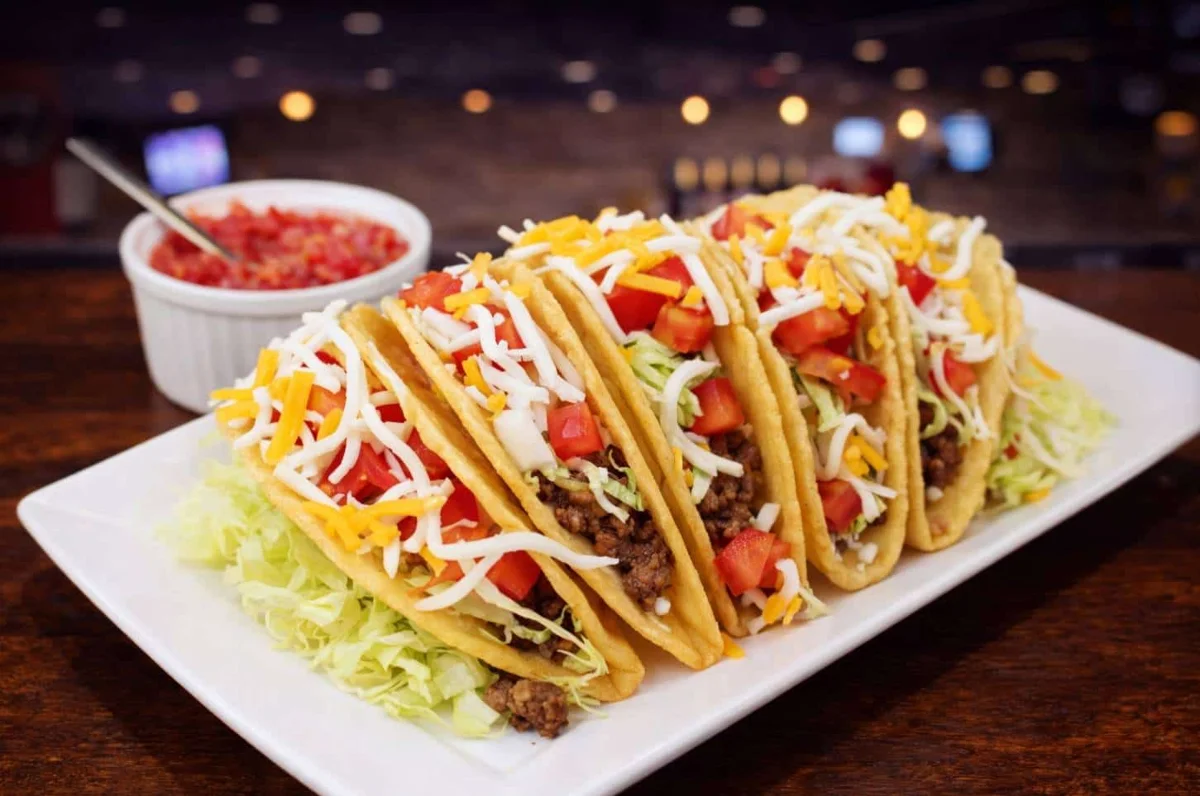
Choose food that can be eaten with one hand and does not drip on laptops: wraps, tacos, onigiri, sandwiches, skewers, mini pizzas and muffins. Put drinks and food on separate tables, away from the stage and the power strips.