尾牙 and 春酒, briefly
尾牙 is the year-end banquet a company holds for its staff before Lunar New Year, a thank-you for the year’s work. 春酒 is the spring banquet held after the holiday, often by companies that could not fit a 尾牙 into the busy weeks before it. Lunar New Year falls on 6 February 2027, so the 尾牙 season runs from mid-December into early February, and 春酒 follows from mid-February into March.
December and January are the busiest weeks of the year for company banquets. Requesting early gives you more choice of menu and service level.
Formats that work for a company banquet
- Buffet with setup (Signature): the buffet is set up before guests arrive and collected afterwards. Good for an office 尾牙 with speeches and a lucky draw.
- Staffed service (Prestige): our team serves, replenishes and clears, and table decoration is included. Good when executives host and nobody on staff should be working the buffet.
- Drop-off (Classic): for a small team celebration where colleagues can serve themselves.
Menu ideas for 尾牙
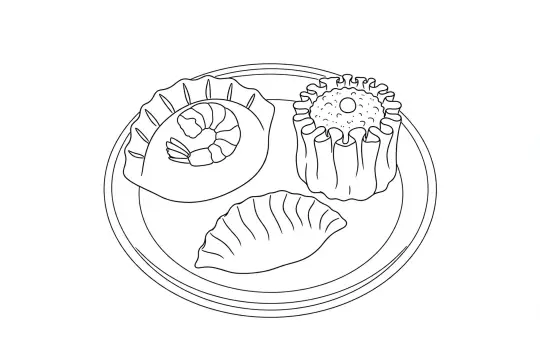
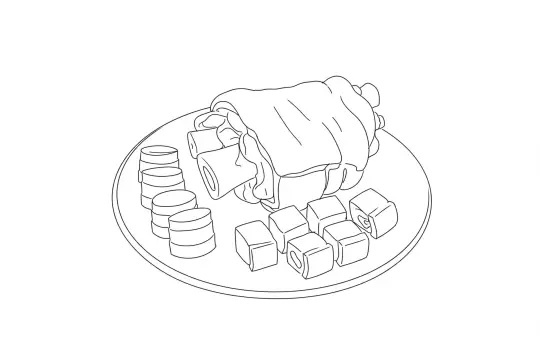
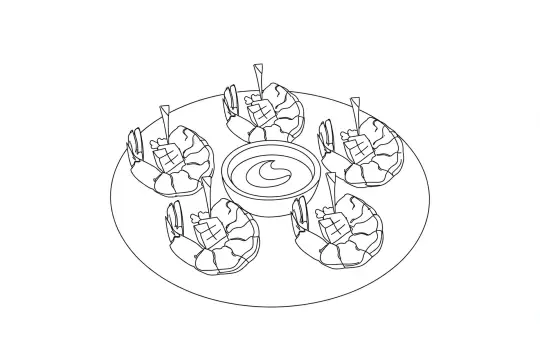
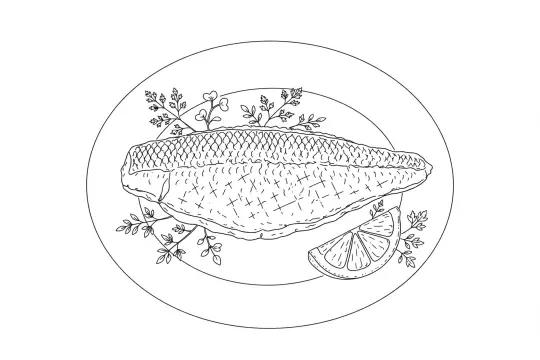
Celebration menus usually mix festive Taiwanese and Chinese dishes, such as braised pork knuckle, pineapple shrimp and sticky rice with Chinese sausage, with dishes that are easy to serve to a crowd, such as dim sum platters and grilled skewers. Add a whole fish dish for the year-end meaning (年年有餘) and a dessert tray. Mixed teams often add Western or Mexican dishes alongside.
Venue and timing questions
- Does the venue allow outside catering, and when can we load in?
- Is there power for hot holding, and a space for the buffet away from the stage?
- When is dinner served relative to speeches, awards and the lucky draw?
- How many vegetarian guests, and are there allergies to verify?
Planning a 尾牙 or 春酒 in Taipei: timeline, menu and catering checklist